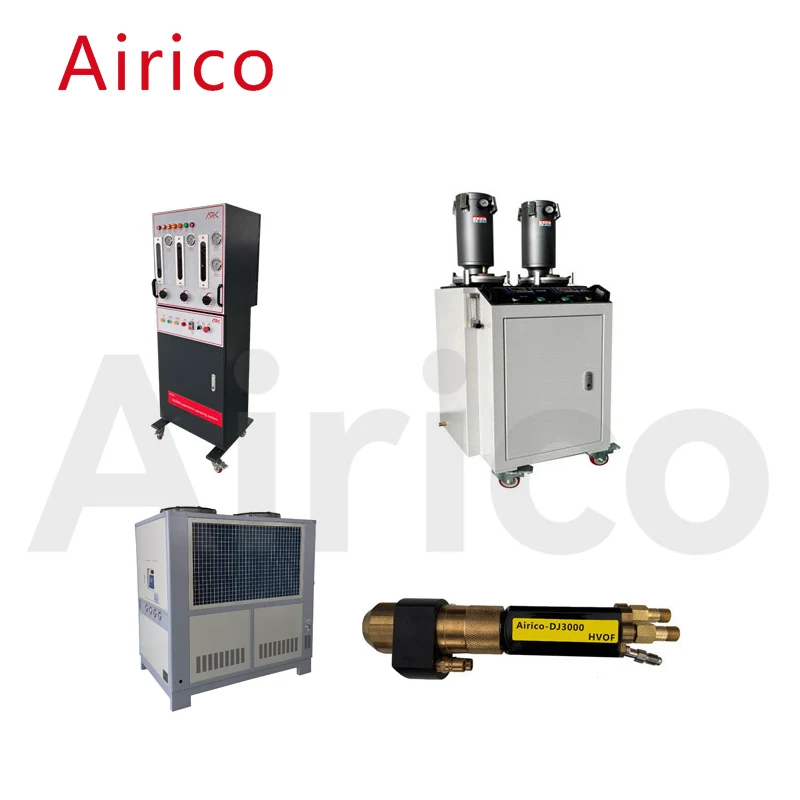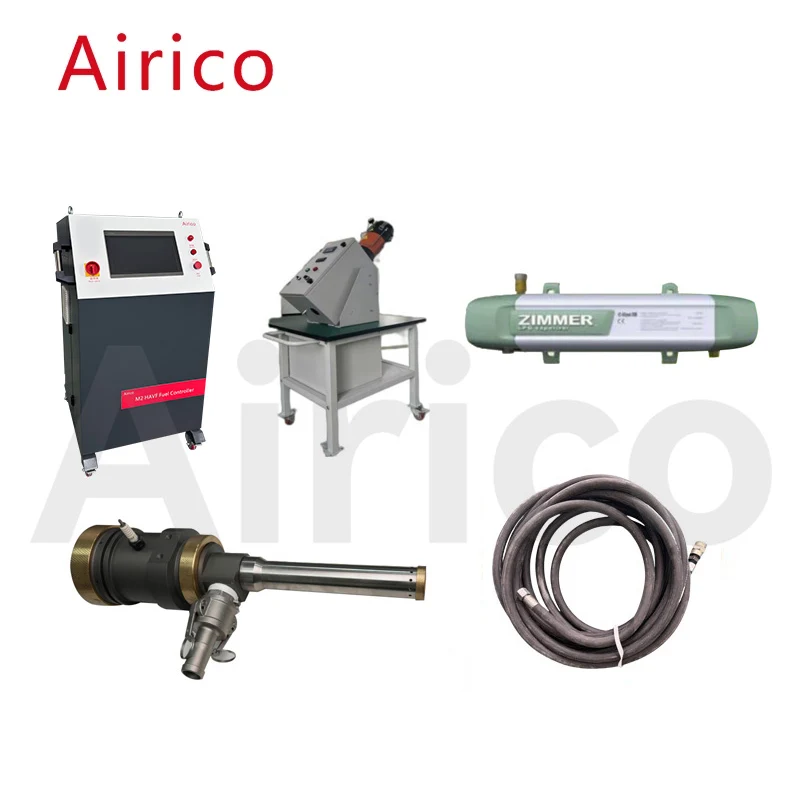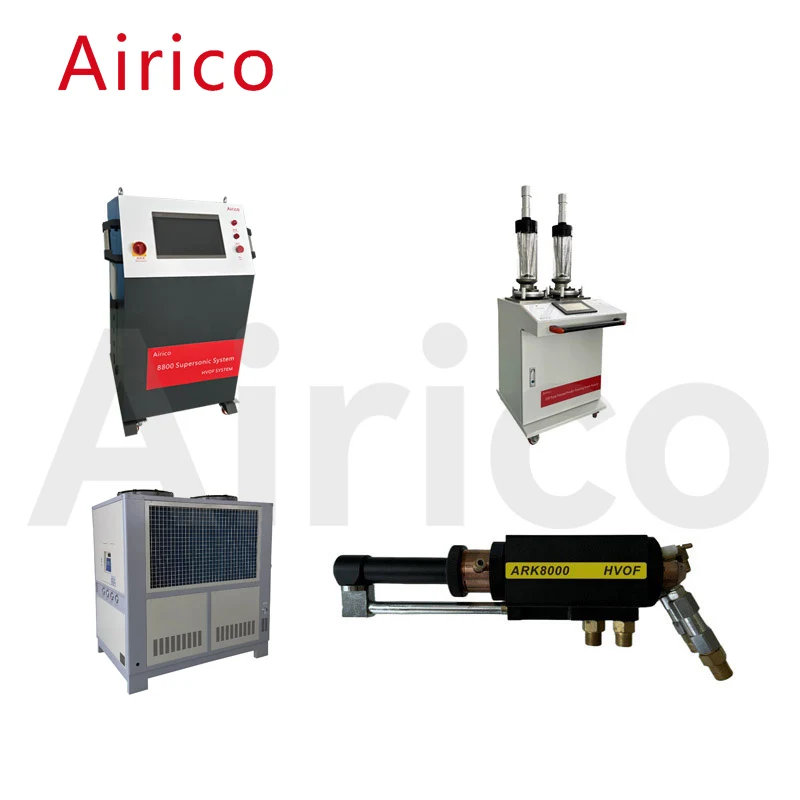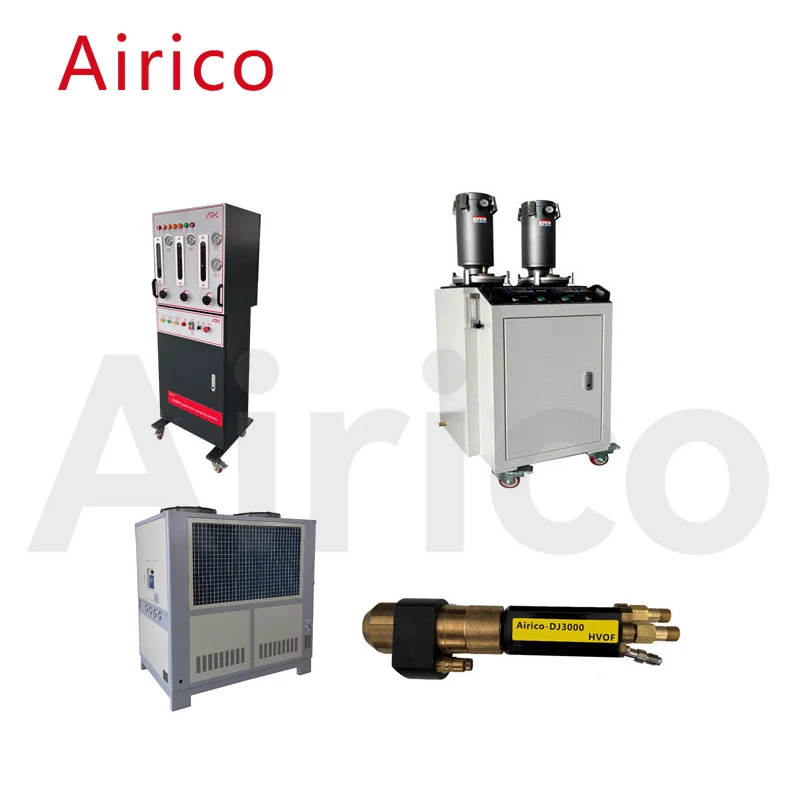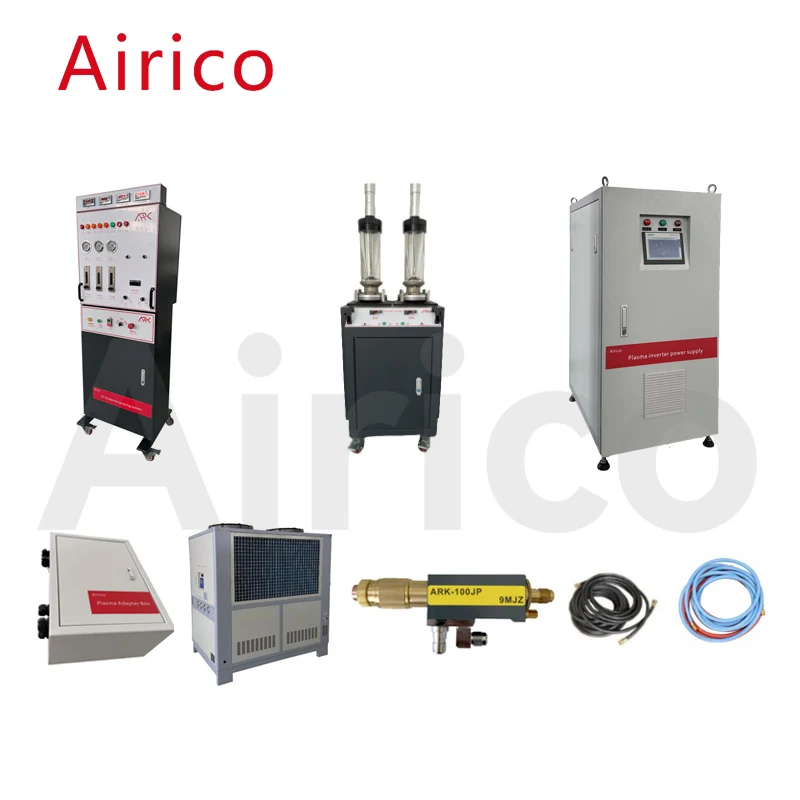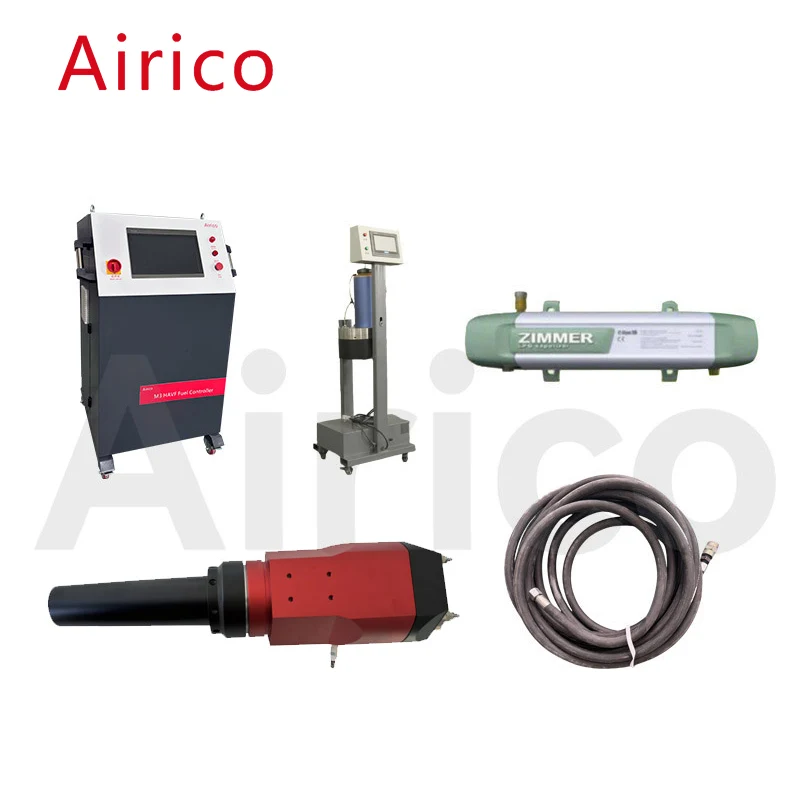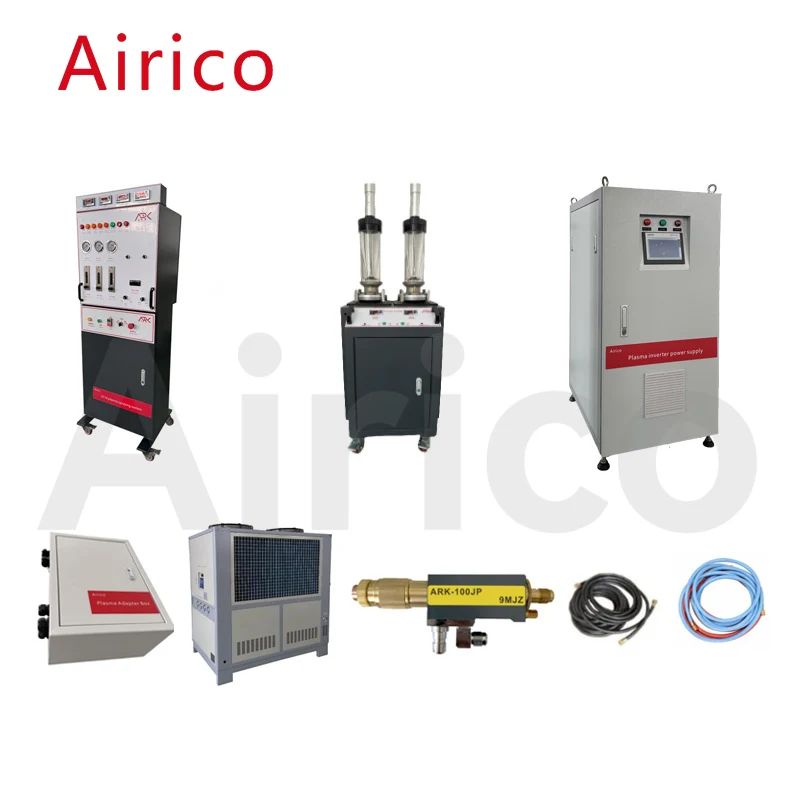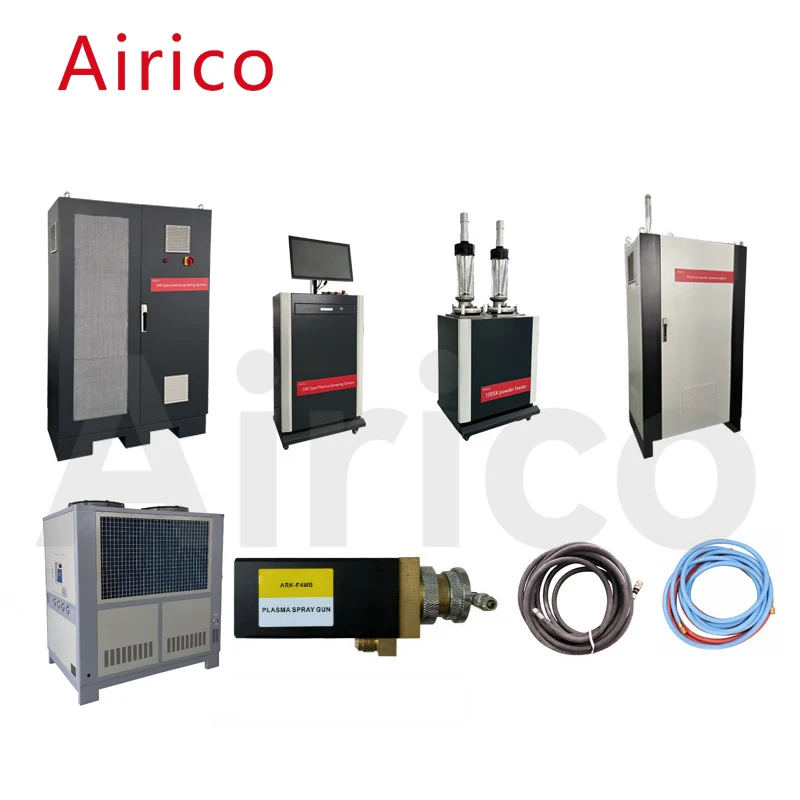
The Pull Arc System is an advanced forming and shaping technology designed to improve precision, stability, and production efficiency across a wide range of industrial applications. Built for demanding environments such as metal fabrication, automation lines, composite material forming, aerospace component shaping, and high-strength part manufacturing, this system delivers controlled force distribution through an engineered arc-pulling mechanism. Its core principle focuses on converting linear motion into a regulated arc trajectory, ensuring consistent forming quality while reducing material stress and deformation errors.
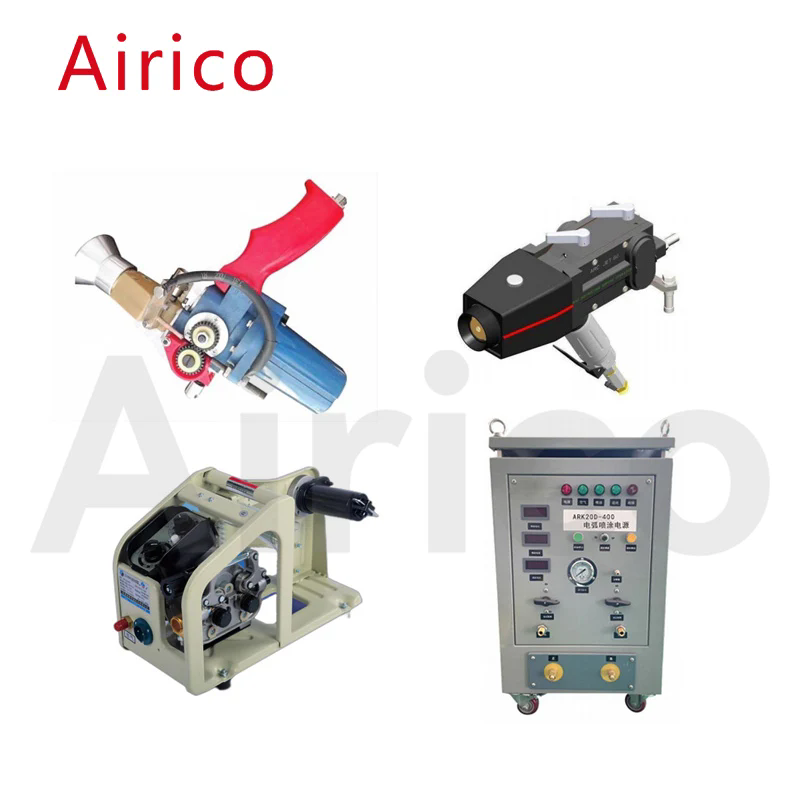
The Pull Arc System works by synchronizing mechanical pull elements with an arc-guided motion profile, generating uniform pressure and controlled displacement. This operational structure is essential in applications where accuracy and repeatability must be maintained across long production cycles.
Below is a parameter overview to support engineering decision-making and project planning:
| Parameter Category | Specification Range | Description |
|---|---|---|
| Pulling Force Capacity | 5 kN – 200 kN | Adjustable force output for various material thicknesses and forming demands |
| Arc Radius Options | 50 mm – 1200 mm | Customizable arc curvature for different product geometries |
| Displacement Accuracy | ±0.05 mm | Supports high-precision forming with minimal deviation |
| Drive System Compatibility | Hydraulic, Servo, Pneumatic | Allows integration with existing production lines |
| Cycle Speed | 0.5 – 3.5 s per cycle | Enhances throughput while maintaining stability |
| Material Adaptability | Steel, Aluminum, Copper, Composites, Plastics | Ensures multi-industry usability |
| Control System | PLC-based digital control | Enables real-time monitoring and program adjustments |
| Operating Temperature Range | −10°C to 70°C | Supports diverse industrial environments |
These parameters ensure the Pull Arc System can be configured for specific production needs, optimizing force distribution and shaping quality.
Industrial users continue to choose the Pull Arc System due to its combination of mechanical innovation, operational stability, and cost-saving potential. This section explores how these advantages translate into real-world applications.
The arc-guided pulling structure eliminates inconsistencies caused by uneven force application common in linear systems. By maintaining constant pressure across the forming surface, the Pull Arc System significantly reduces:
deformation variance
warping and bending errors
repeatability failures
post-processing requirements
This accuracy is particularly valuable for aerospace brackets, precision frames, and high-strength components.
The system’s rapid cycle speed, combined with low maintenance requirements, leads to:
shorter production lead times
higher product yield
longer equipment uptime
reduced operator intervention
Its PLC-controlled automation further contributes to workflow optimization.
Precise pulling distribution ensures that material is formed with minimal stress concentration. This reduces cracking, thinning, and failed batches, resulting in lower material consumption and improved sustainability.
The robust force control and customizable arc radii allow manufacturers to handle metals, composites, and engineered plastics without product redesign. This versatility broadens market adaptability and reduces equipment replacement frequency.
The Pull Arc System is positioned to evolve alongside global manufacturing advancements. Several major development directions are emerging:
Future Pull Arc Systems are expected to integrate:
predictive maintenance modules
AI-based forming simulations
advanced sensors for dynamic pressure feedback
cloud-connected production monitoring
These enhancements will allow factories to optimize forming parameters instantly and reduce unexpected downtime.
Manufacturers increasingly require forming solutions that support lower energy usage and recyclable material compatibility. As a result, system components will incorporate:
energy-saving servo drives
intelligent lubrication mechanisms
lightweight structural elements
recyclable machine frames and casings
Such developments will align with global green-manufacturing initiatives.
As product diversity increases, demand for modular Pull Arc Systems will rise. Future designs will likely offer:
adjustable arc modules
interchangeable pulling heads
multi-zone control programs
plug-and-play integration
These innovations will reduce custom engineering time and speed up production line deployment.
New metals, composites, and hybrid materials with enhanced toughness require precision forming solutions. The Pull Arc System will evolve through:
higher force output modules
reinforced structural frames
advanced thermal-compensation controls
improved tooling materials
This ensures compatibility with aerospace-grade alloys, advanced automotive composites, and structural engineering materials.
A: The system balances force distribution through a controlled arc path, preventing uneven stress loads that commonly lead to mechanical wear or forming inconsistencies. The PLC control ensures each cycle maintains identical performance parameters, improving equipment lifespan and product quality over prolonged operation.
A: Choosing the arc radius depends on the product’s shape, material behavior, and required forming tolerance. Smaller radii are ideal for tighter curves and high-precision components, while larger radii support wide-surface forming. Engineers typically match material thickness and elasticity with the appropriate radius using historical forming data and simulation analysis to ensure optimal performance.
The Pull Arc System continues to gain prominence due to its ability to deliver controlled force application, reliable production quality, and multi-material flexibility. By improving forming precision, reducing operational waste, and supporting modern digital integration, the system is becoming a critical tool for industries seeking sustainable and scalable manufacturing solutions.
As industrial demand shifts toward intelligent automation, modular design, and eco-friendly production standards, the Pull Arc System will evolve to support new materials, advanced control technologies, and globally optimized supply chains. For companies prioritizing high-precision forming, reduced operational costs, and long-term system performance, this technology provides a dependable and future-oriented solution.
For high-quality Pull Arc System manufacturing, Suzhou Airico Machinery Equipment Co., Ltd. offers engineering expertise, robust production capabilities, and reliable global service support. To inquire about configurations, customization options, or project integration guidance, please contact us for professional assistance.