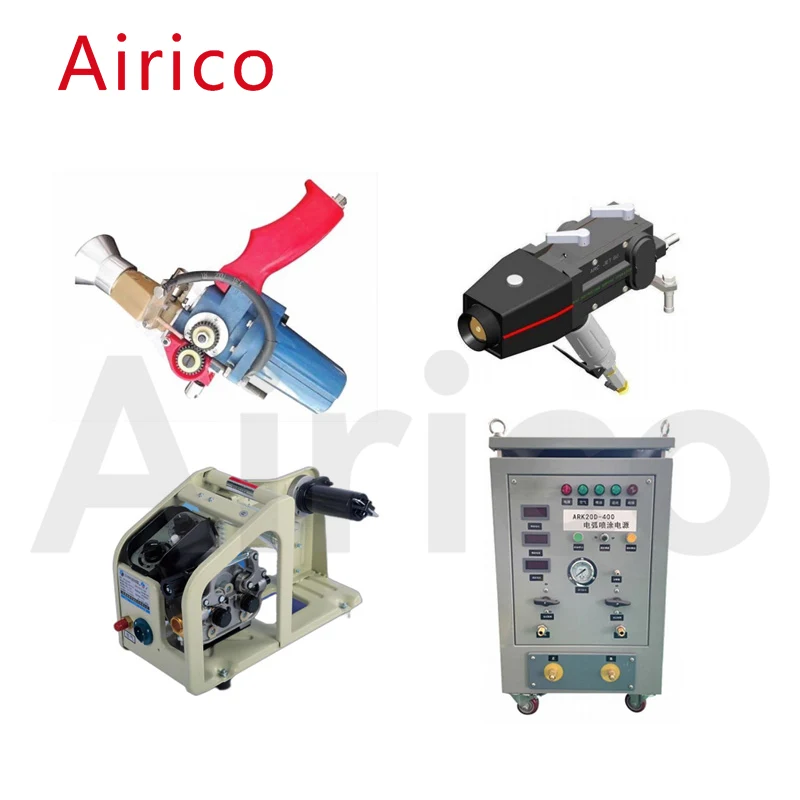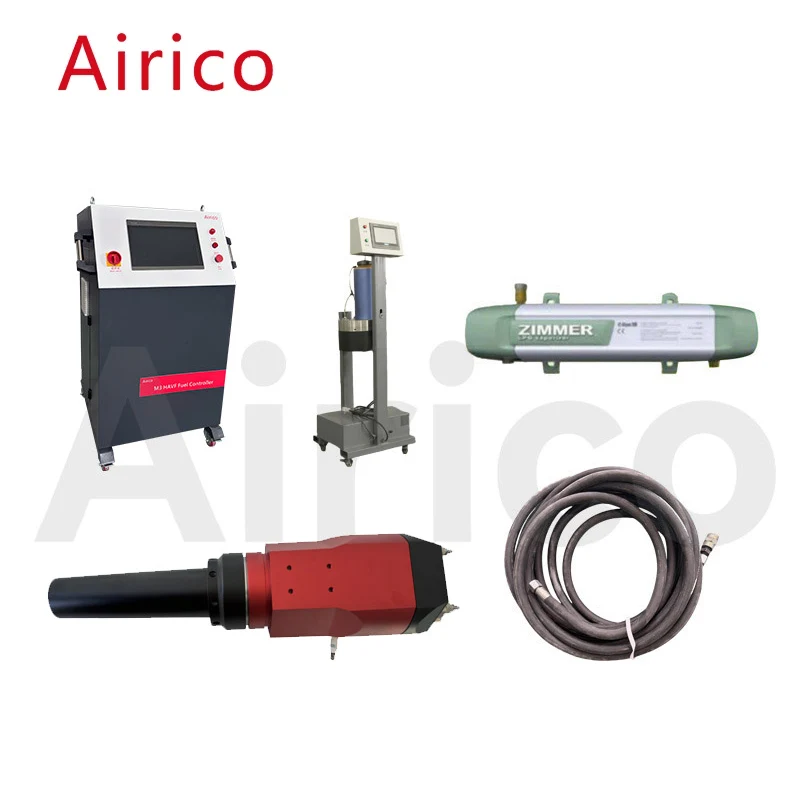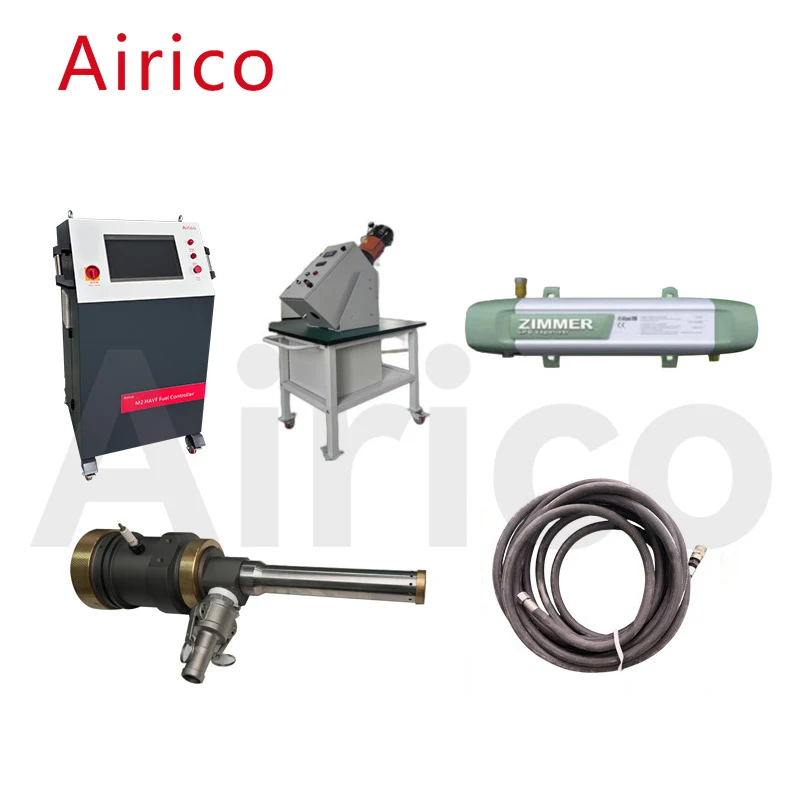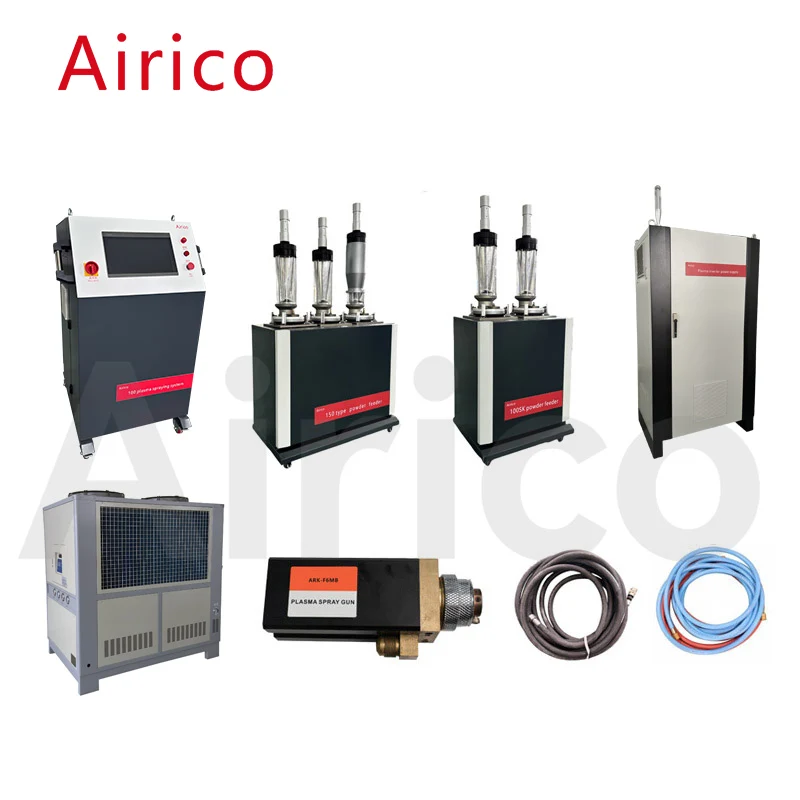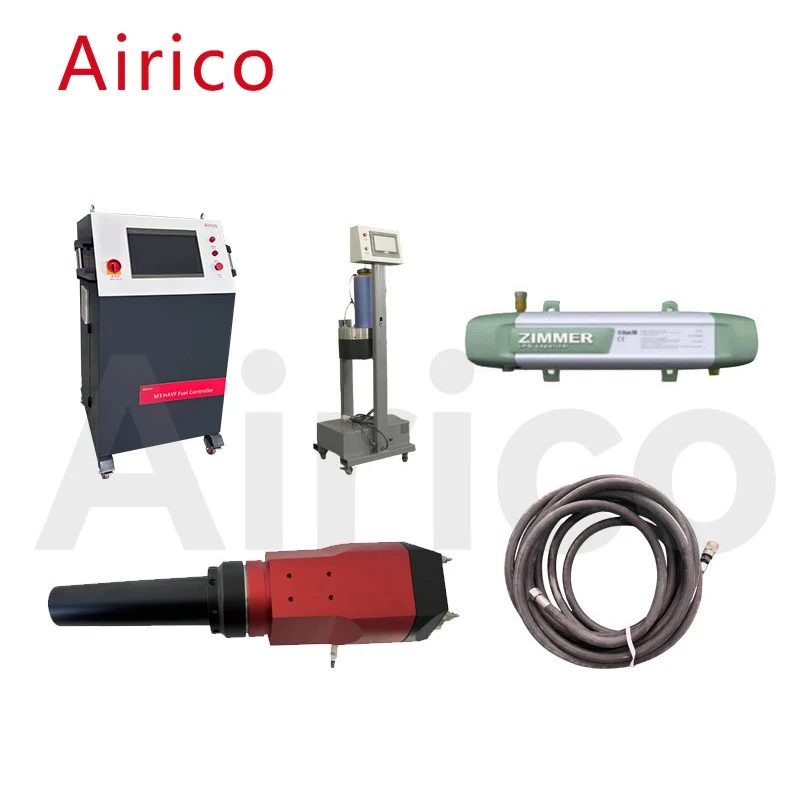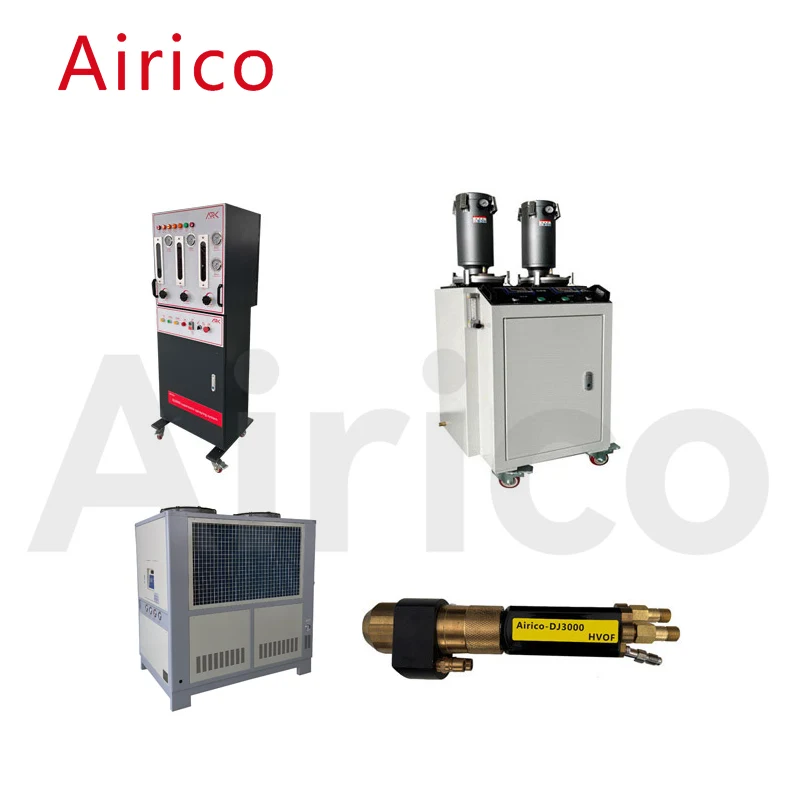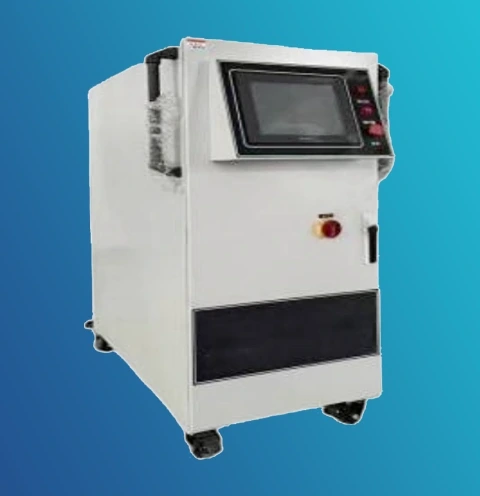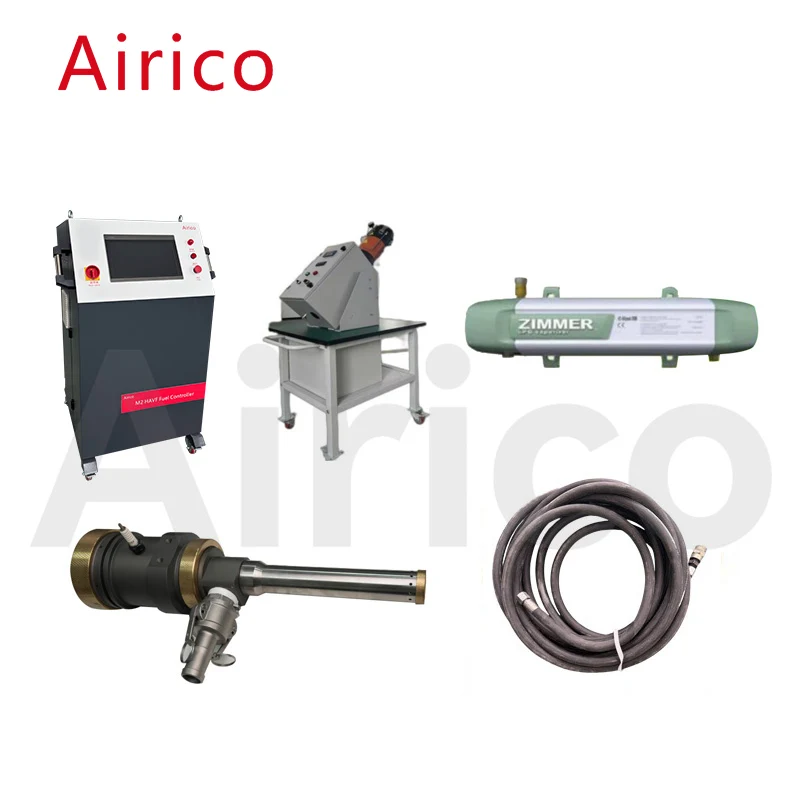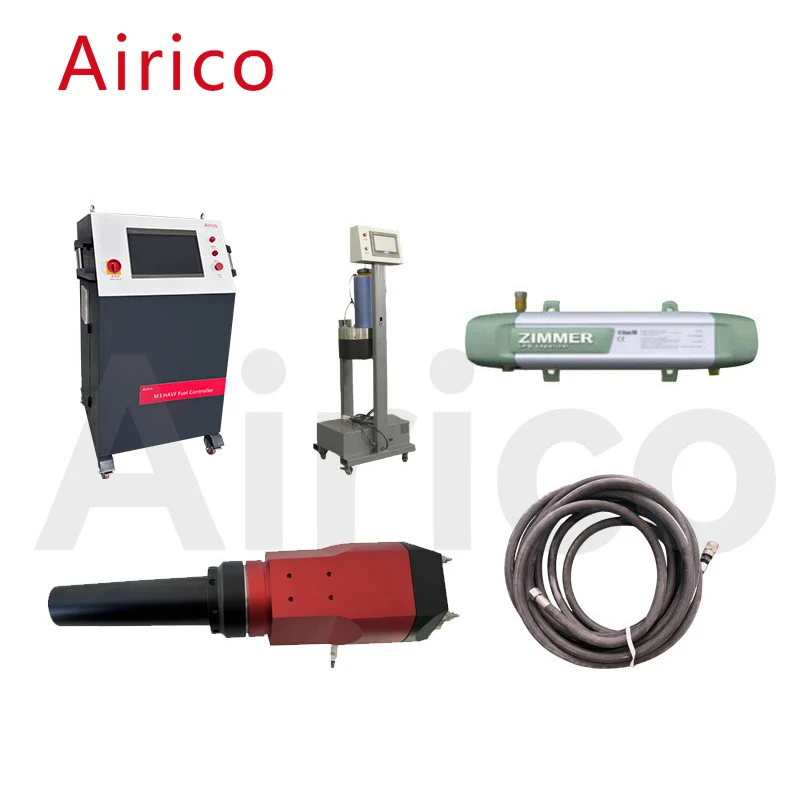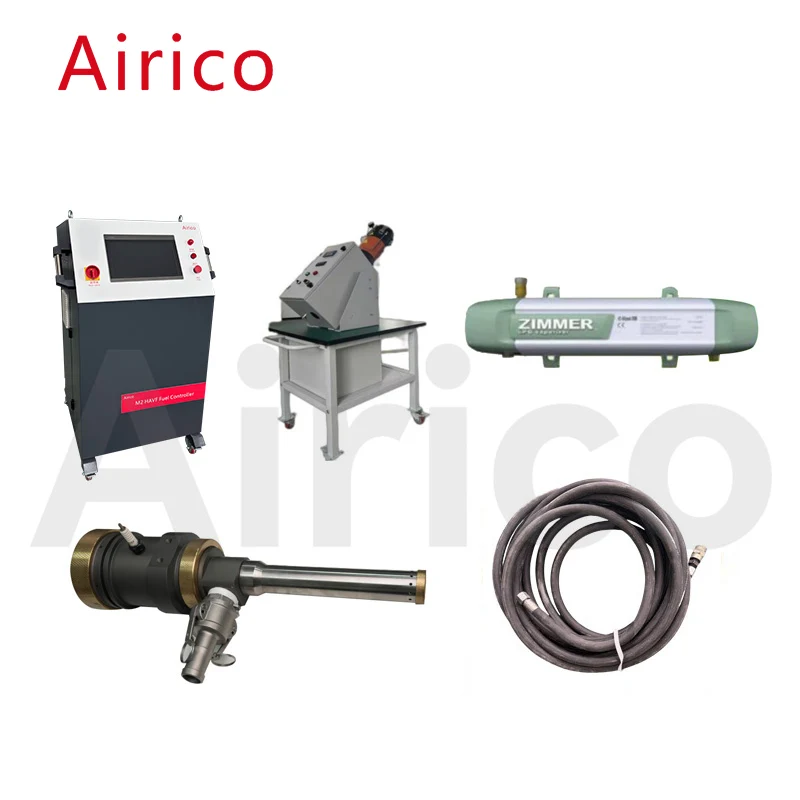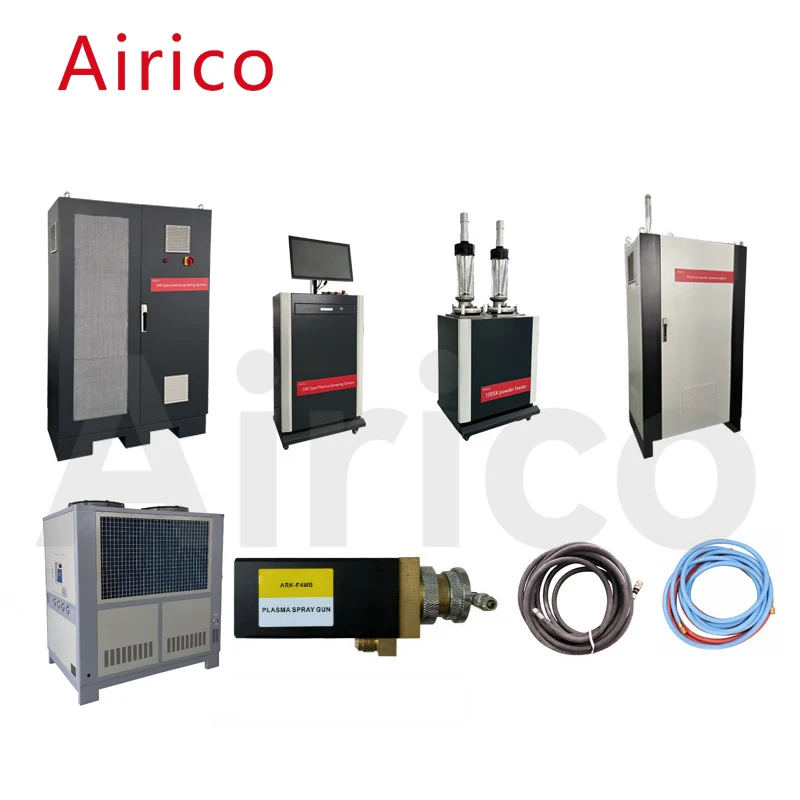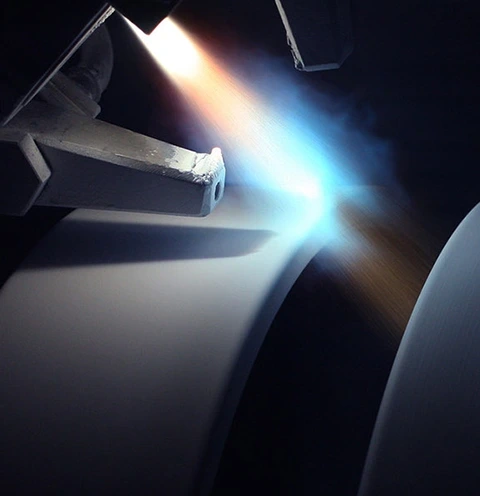
Arc spraying equipment is a state-of-the-art thermal spray technology that uses an electric arc to melt metallic wires and project the molten material onto a surface. The result is a strong, durable, and corrosion-resistant coating that enhances the lifespan and performance of industrial components. This method is widely used in sectors such as aerospace, automotive, shipbuilding, energy, and manufacturing — industries where surface protection and high wear resistance are crucial.
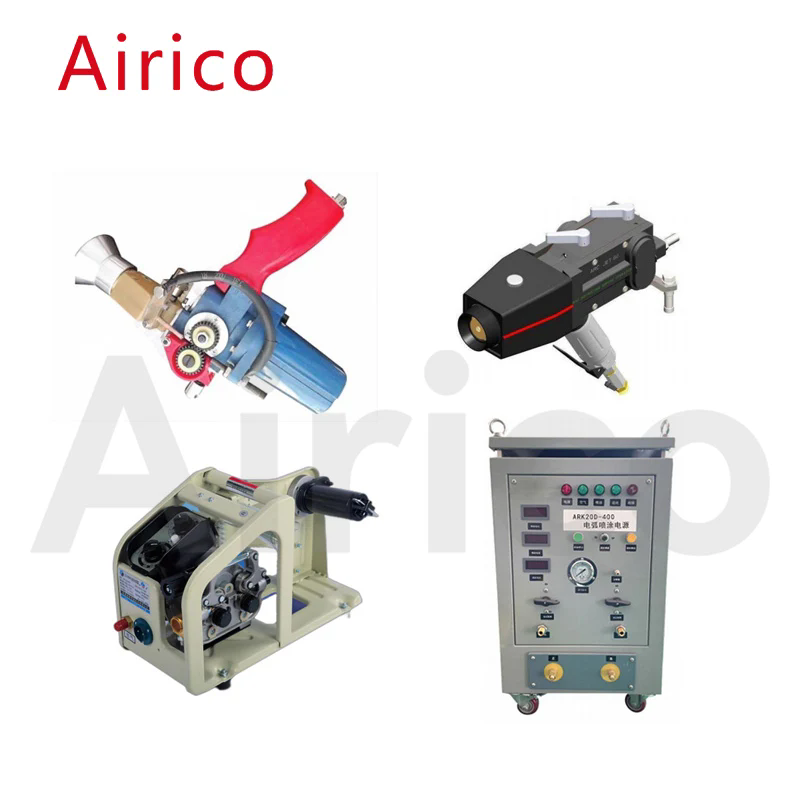
The process operates by feeding two conductive wires into a spray gun, where they are electrically charged and melted by an arc. Compressed air atomizes and propels the molten material toward the substrate, forming a uniform coating layer. Unlike traditional coating methods such as electroplating or painting, arc spraying provides higher adhesion strength, better environmental performance, and reduced downtime during application.
The growing interest in arc spraying equipment is driven by several global industrial trends: sustainability, cost efficiency, and the increasing demand for advanced surface engineering solutions. As industries push for cleaner production and longer-lasting components, arc spraying offers a scalable and eco-friendly solution that meets both environmental and performance standards.
To understand the advantages of arc spraying, it’s important to compare its core benefits with traditional coating processes such as flame spraying, plasma spraying, or electroplating.
| Feature | Arc Spraying Equipment | Flame Spraying | Plasma Spraying | Electroplating |
|---|---|---|---|---|
| Operating Temperature | Medium (3,000–4,000°C) | Low (2,500°C) | Very High (10,000°C) | Low |
| Coating Bond Strength | 25–60 MPa | 15–25 MPa | 30–80 MPa | Moderate |
| Material Efficiency | 85–90% | 70–75% | 60–70% | 100% (chemical) |
| Substrate Temperature | Low (minimal heat distortion) | Medium | High | Low |
| Environmental Impact | Minimal, no chemical waste | Moderate | High energy consumption | High chemical waste |
| Application Cost | Low to Moderate | Low | High | Moderate |
| Maintenance | Simple and cost-effective | Simple | Complex | Requires chemical handling |
Arc spraying delivers a unique balance between coating quality and operational economy. The process allows coating materials such as zinc, aluminum, copper, nickel, and steel to bond strongly with minimal thermal distortion, making it suitable for large-scale industrial applications.
Core Benefits:
Enhanced Durability: Provides excellent wear, corrosion, and oxidation resistance.
Eco-Friendly Operation: Uses no harmful chemicals or solvents.
Energy Efficiency: Requires less energy compared to plasma spraying or electroplating.
Versatile Material Options: Supports both metallic and composite coatings.
Quick Application: High deposition rates make it ideal for mass production.
Low Substrate Heating: Prevents warping or structural damage to the base material.
These benefits explain why arc spraying is increasingly replacing older surface finishing methods in industries aiming for both high performance and sustainability.
The operation of arc spraying systems involves a combination of precision mechanics, electrical control, and advanced material engineering. Below is a step-by-step look at how arc spraying technology functions in an industrial environment:
Wire Feeding: Two metallic wires of the desired coating material are fed into the arc gun.
Arc Generation: The wires are electrically charged and melted at their contact point to form an arc.
Atomization: Compressed air atomizes the molten material into fine droplets.
Deposition: The atomized particles are accelerated onto the surface, forming a dense, adherent coating.
Cooling and Solidification: The coating rapidly cools, creating a strong metallurgical bond.
This process allows engineers to achieve customized coating properties such as specific hardness, corrosion resistance, or electrical conductivity, depending on the chosen materials and parameters.
| Parameter | Specification Range |
|---|---|
| Power Supply | 380V / 50Hz |
| Wire Diameter | 1.6mm – 3.2mm |
| Spray Distance | 100mm – 250mm |
| Coating Efficiency | 8–15 kg/h |
| Air Pressure Requirement | 0.4–0.7 MPa |
| Cooling System | Air or Water Cooling |
| Control Type | PLC Digital Interface |
| Coating Materials | Zn, Al, Cu, Ni, Fe, Mo, Alloy Wires |
Arc spraying can be used to coat shafts, turbine components, pipelines, molds, steel structures, and automotive parts. Because it causes minimal heat distortion, it is suitable even for thin or heat-sensitive substrates such as aluminum or composite panels.
Corrosion Protection: Marine structures, offshore platforms, and pipelines.
Wear Resistance: Pump shafts, piston rods, and turbine blades.
Rebuilding Components: Restoration of worn machine parts.
Electrical Conductivity: Coating surfaces that require current transfer.
Thermal Barriers: Components exposed to extreme temperatures.
As technology advances, integration with automated robotic systems and smart control interfaces has enhanced the precision and consistency of arc spraying, making it ideal for Industry 4.0 manufacturing environments.
A1: Common materials include zinc, aluminum, copper, nickel, molybdenum, and various steel alloys. Each material offers distinct benefits — for example, zinc and aluminum provide corrosion protection, while molybdenum improves wear resistance.
A2: The typical coating thickness ranges from 50 microns to several millimeters, depending on the application and required performance.
A3: Yes. The process generates minimal waste and does not use toxic chemicals or gases. Overspray can be collected and recycled, making it one of the most eco-conscious coating technologies available.
A4: Depending on the operating environment and coating material, arc-sprayed layers can last from several years to over a decade with minimal maintenance.
A5: Yes. Portable arc spraying systems allow for field operations such as coating pipelines, bridges, and large structures without the need to transport components to a workshop.
A6: Plasma spraying can achieve denser coatings but at a much higher energy cost and equipment complexity. Arc spraying offers a cost-effective, lower-temperature alternative suitable for large-scale applications.
A7: No. Because the substrate temperature remains low during the process, the mechanical integrity of the base material is preserved.
A8: Regular cleaning of the gun head, inspection of electrical contacts, and air filter replacement are sufficient to maintain optimal performance. Proper calibration ensures consistent coating quality.
A9: Yes. Arc spraying allows layering or mixing different metals to achieve hybrid coatings with combined properties such as corrosion and wear resistance.
A10: Modern trends include automation with robotic arms, IoT-enabled monitoring for process optimization, and the use of advanced alloys for high-performance coatings in aerospace and energy industries.
The future of industrial coating technology is shifting toward sustainable, efficient, and digitalized solutions. Arc spraying stands at the forefront of this transformation. As manufacturing sectors increasingly adopt green technologies, the low environmental impact and energy efficiency of arc spraying make it a preferred choice.
Innovations such as robotic automation, AI-based quality monitoring, and real-time coating parameter control are improving accuracy and repeatability. Advanced wire materials, including nickel-chromium and titanium-based alloys, are expanding the potential applications in high-performance industries such as aerospace and renewable energy.
Moreover, the integration of arc spraying equipment into smart factories supports predictive maintenance and production tracking — ensuring consistent quality while minimizing waste. The combination of durability, adaptability, and sustainability makes arc spraying one of the most promising coating solutions for the next decade.
As industries move toward decarbonization and extended product life cycles, arc spraying technology aligns perfectly with these global objectives — offering performance, precision, and environmental responsibility.
Arc spraying equipment represents a milestone in modern surface technology — merging performance, sustainability, and innovation. With its ability to create strong, reliable, and cost-effective coatings across multiple industries, it is setting a new benchmark for industrial efficiency.
Suzhou Airico Machinery Equipment Co., Ltd. is a professional manufacturer specializing in high-quality arc spraying systems, designed for superior precision, stability, and energy efficiency. The company’s advanced R&D capabilities and strict quality control ensure that each system delivers consistent, reliable performance across diverse industrial applications.
For customized solutions, technical support, or detailed product specifications, contact us today to discover how Suzhou Airico Machinery Equipment Co., Ltd. can help elevate your surface engineering capabilities.